Source Early Education Whack-a-mole Game for Birthday, Christmas, Halloween
Compare 30 Early Education Whack-a-mole Game options from Shantou suppliers. Buyers can review models like PY237777 and RFD322072, check certifications such as CE and ENASTM, and evaluate customization features for birthday, Christmas, and Halloween events; compare the available evidence and request quotations based on your requirements.
Key considerations
Products List


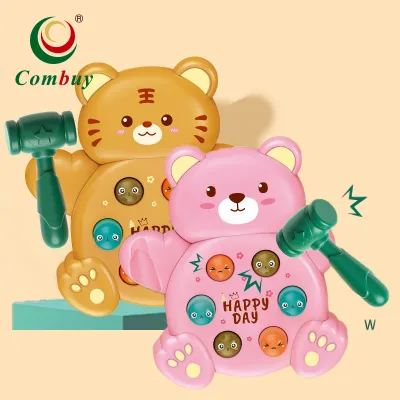

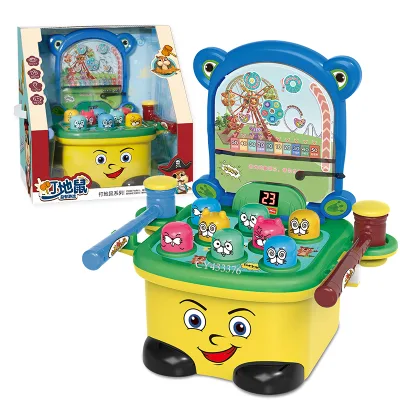
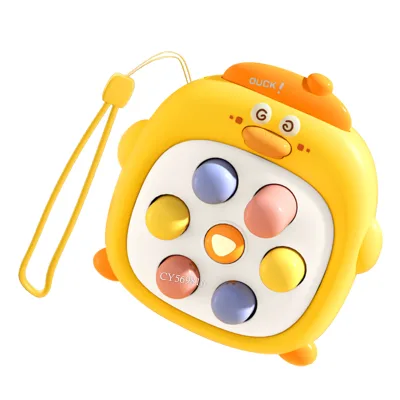
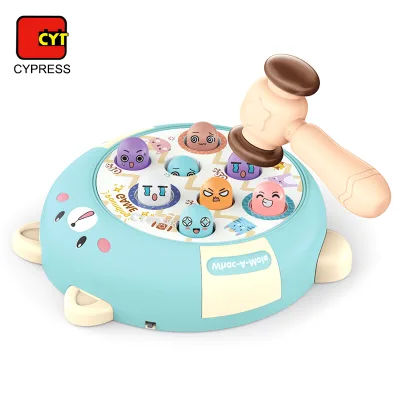
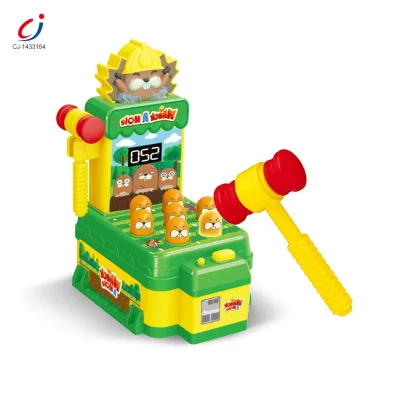
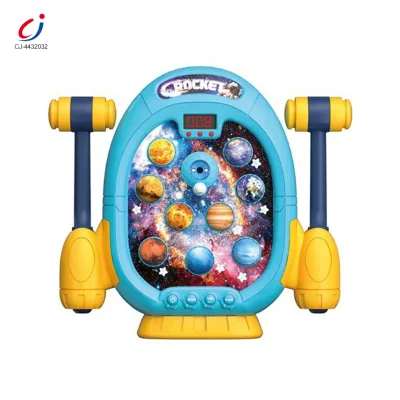

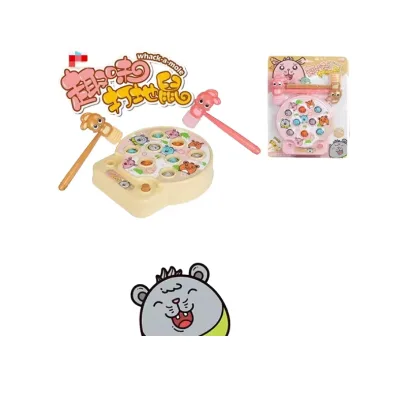
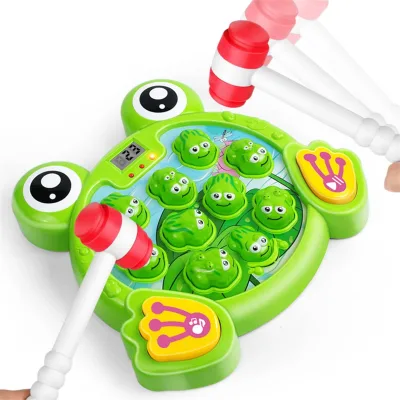

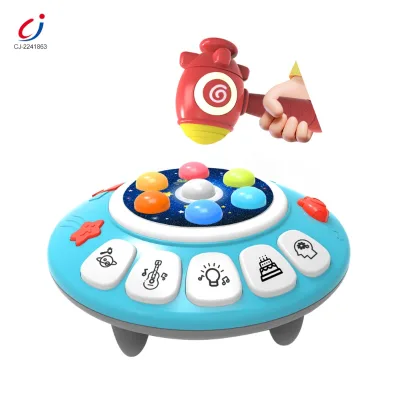
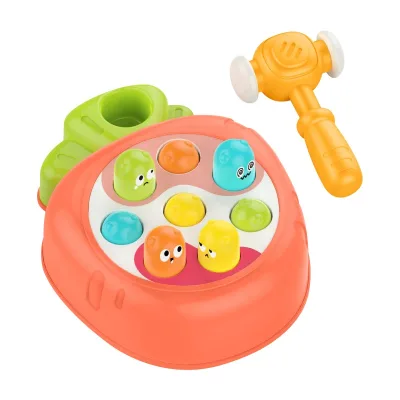
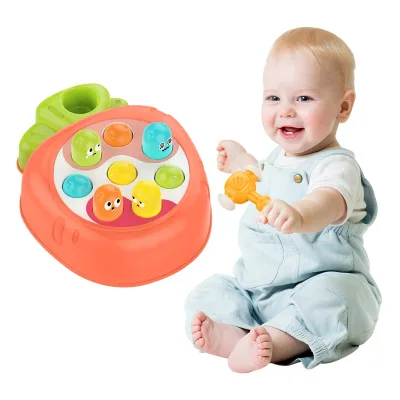
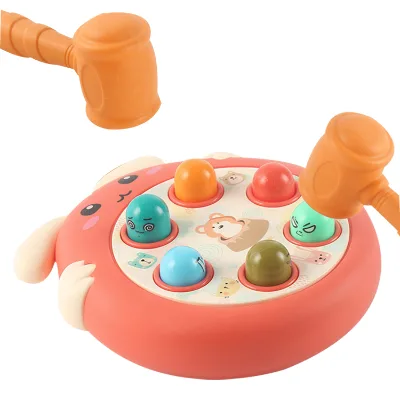
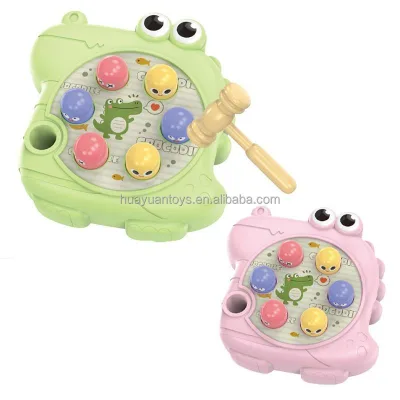
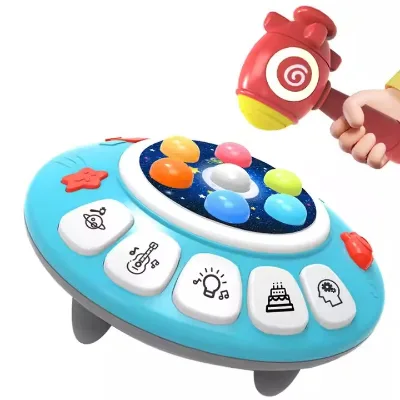
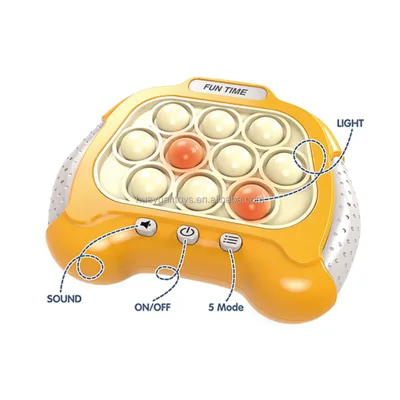


Wholesale Interactive Whack a Mole Game Kid Children Learning Educational Baby Toys
$1.55 - $1.59
MOQ: 360 Pieces

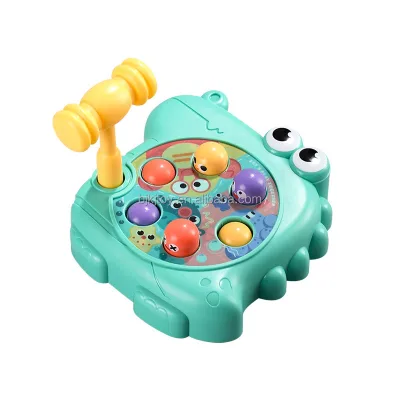
Wholesale Classic Interactive Custom Plastic Whack a Mole Family Board Game
$0.71 - $0.73
MOQ: 1200 Pieces


Comprehensive Sourcing Guide
Early Education Whack-a-mole Game Sourcing Guide
Procuring early education whack a mole games requires a strategic focus on developmental appropriateness and durable construction. These toys are designed to enhance fine motor skills, hand-eye coordination, and cognitive recognition in young children. Buyers must prioritize products that align with specific age brackets, typically ranging from three to eight years old, to ensure safety and engagement. The playful nature of these items, often categorized as funny or cartoon toys, demands high-quality materials that can withstand vigorous play without breaking.
Sourcing decisions should also consider the customization potential and branding opportunities available from manufacturers. Many suppliers offer OEM and ODM services, allowing retailers to create unique products with custom logos or packaging. This flexibility is crucial for building brand identity in the competitive early education market. However, buyers must balance customization requests with production efficiency, ensuring that custom elements do not compromise the structural integrity or safety standards of the final product.
Product Scope and Observed Listing Signals
The current market for whack a mole games features a diverse range of models, including specific product codes like PY237777 and PY249572, which indicate distinct manufacturing batches or design iterations. Listings often highlight attributes such as plastic construction, animal shapes, and vibrant colors like purple, which are visually appealing to the target demographic. These signals suggest a focus on sensory engagement and tactile interaction, key components in early childhood development tools. Buyers should verify that the observed product attributes match the specific educational goals of their intended curriculum or retail offering.
Observed listing data reveals significant variation in packaging standards and physical dimensions, reflecting different logistical and retail requirements. For instance, some products are packed in color boxes with specific carton sizes, while others may use simple packing bags. The presence of full-color logo prints and sticker imprints indicates a strong emphasis on brand visibility. Buyers must carefully review these packaging details to ensure they align with their distribution channels, whether direct-to-consumer e-commerce or brick-and-mortar retail, where shelf space and unboxing experience are critical factors.
Technical Specifications to Verify
Technical verification begins with confirming the material composition and structural durability of the whack a mole game. While plastic is a common material, buyers must ensure it meets specific impact resistance standards suitable for active play. The scale of the product, whether small or medium, directly influences its usability in different settings, such as home environments versus classroom settings. Buyers should request detailed dimensional data, such as the 39286CM standard observed for certain models, to plan storage and display logistics accurately.
Further technical checks involve validating the play method and functional mechanics of the game. The "funny" or interactive play style must be reliable and engaging for children aged four to eight years. Buyers should verify that the electronic or mechanical components, if present, are securely housed and free from sharp edges. Additionally, the inclusion of intellectual toy features, such as counting or color recognition, should be tested to ensure they function as advertised. Confirming these technical aspects prevents post-purchase disputes and ensures the product delivers its promised educational value.
Compliance and Safety Documentation
Safety compliance is non-negotiable for early education toys, requiring rigorous verification of certification documents. Buyers must ensure that all products carry recognized safety marks, such as EN71, ASTM, and CE, which indicate adherence to international safety standards. These certifications are critical for market access in Europe, North America, and other regulated regions. Procurement teams should request valid test reports from accredited laboratories to confirm that the materials and finished products meet strict chemical and physical safety requirements.
Beyond certifications, buyers must verify the origin and manufacturing standards of the suppliers. Products originating from established manufacturing hubs like Shantou, China, often benefit from mature supply chains, but this does not guarantee individual product compliance. Buyers should audit the supplier’s quality management systems to ensure consistent adherence to safety protocols. Additionally, checking for any recalls or compliance violations associated with the specific product models, such as RFD322072 or EZ-KT258, is essential to mitigate reputational and legal risks.
Cost Drivers and Commercial Terms
Cost structures for whack a mole games are influenced by material choices, customization levels, and order volumes. Observed price ranges and MOQs vary significantly, with some models requiring minimum orders of 1000 units, while others may have lower thresholds. Buyers must analyze the total landed cost, including manufacturing, shipping, and tariff implications, rather than focusing solely on the unit price. High customization requests, such as unique packaging or logo printing, can increase production costs and lead times, impacting overall budget planning.
Commercial terms also play a crucial role in the procurement process, particularly regarding payment structures and delivery schedules. Buyers should negotiate clear terms for sample approvals, production milestones, and final inspections. Understanding the supplier’s capacity to handle large orders, indicated by medium-scale production capabilities, is vital for meeting demand fluctuations. Additionally, buyers must clarify responsibilities for packaging materials, such as color boxes or cartons, to avoid unexpected charges and ensure that the final product arrives in pristine condition.
Supplier Qualification and Quality Control
Supplier qualification involves a thorough assessment of manufacturing capabilities and quality control processes. Buyers should verify that suppliers have dedicated production lines for whack a mole games and employ rigorous inspection protocols at various stages of production. This includes raw material testing, in-process checks, and final random inspections. Suppliers who welcome OEM and ODM requests often have flexible manufacturing systems, but buyers must ensure that this flexibility does not compromise quality consistency.
Quality control measures should also include pre-shipment inspections to verify that the products match the approved samples in terms of appearance, function, and packaging. Buyers should establish clear acceptance criteria for defects, such as cosmetic blemishes or mechanical failures, and communicate these standards to the supplier. Regular communication and site visits, if feasible, can help build a strong partnership and ensure that the supplier remains aligned with the buyer’s quality expectations. This proactive approach minimizes the risk of receiving substandard products.
Long-Term Procurement Checks
Long-term procurement success depends on continuous monitoring of product performance and supplier reliability. Buyers should gather feedback from end-users, such as parents and educators, to assess the durability and educational value of the whack a mole games. This feedback loop can inform future purchasing decisions and help identify areas for product improvement. Additionally, buyers should track supplier performance metrics, such as on-time delivery rates and defect percentages, to evaluate their ongoing suitability as a partner.
Market trends and regulatory changes also require ongoing attention. Buyers must stay informed about updates to safety standards and consumer preferences in the early education sector. This includes monitoring the introduction of new materials or technologies that could enhance product appeal and safety. By maintaining a proactive stance on compliance and innovation, buyers can ensure that their product offerings remain competitive and relevant in the evolving early education market. This strategic approach fosters sustainable growth and customer loyalty.
FAQs
What certifications do the whack a mole games have?
The products hold ENASTM and CE certifications for safety compliance. These standards ensure the toys meet international safety requirements for children aged 3 to 8 years. Buyers can verify these documents before placing bulk orders for New Year or Halloween events.
Can I customize the logo on these funny toys?
Full color logo printing and logo stickers are available for customization. OEM and ODM services are highly welcomed for bulk purchases. This allows buyers to brand the purple animal-shaped toys for specific carnival or birthday events without changing the core design.
What is the minimum order quantity for these intellectual toys?
The minimum order quantity ranges from 3 to 1200 units depending on the specific model. Some models require 1000 units while others start at just 3. Buyers should check the specific product model number to confirm the exact MOQ before negotiating with suppliers.
Where are these whack a mole games manufactured?
All listed products originate from Shantou Chenghai in China. This region is known for producing high-quality plastic and wooden toys. The consistent origin ensures reliable supply chains for international buyers seeking early education games with specific packaging standards.
Which age groups are suitable for these cartoon toys?
These toys are designed for children aged 3 to 8 years and 4 to 8 years. They function as intellectual toys with a funny play method suitable for various occasions. The small scale ensures they are safe and engaging for young learners during holiday celebrations.
What packaging options are available for these products?
Packaging includes color boxes, custom boxes, and packing bags depending on the model. Standard carton sizes vary from 20x8x20cm to larger shipping cartons. Buyers can request custom packaging to align with their branding needs for wholesale distribution.